

Getting a tattoo is a deeply personal form of expression. It’s art that you carry with you forever. The process often starts with a spark of an idea, a feeling, or a symbol you want to capture. Turning that concept into a beautiful design requires creativity and the right tools. Many artists now share their creative process, from initial sketch to final design, using an online video editor to create captivating time-lapses that inspire others. This fusion of digital tools and traditional art shows how modern technology can help anyone bring their perfect tattoo to life.
This article explores how you can move from a simple idea to a finished, tattoo-ready design. We will cover finding inspiration, developing your concept, and using creative tools to communicate your vision. The goal is to help you feel confident and prepared for your next piece of ink.
Finding Your Initial Spark of Inspiration
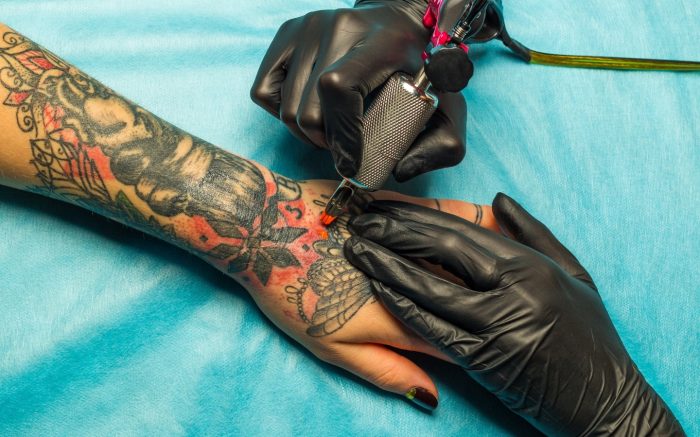
Every great tattoo begins with an idea. But where do those ideas come from? Inspiration is all around you. The key is to keep an open mind and pay attention to what resonates with you on a personal level.
Look to Your Own Story
The most meaningful tattoos often come from personal experiences. Think about important moments, people, or lessons in your life. What symbols represent your journey? A tattoo can serve as a reminder of your resilience, a tribute to a loved one, or a celebration of a major milestone.
Start by journaling or making a list of things that matter to you.
- What are your passions and hobbies?
- What values do you hold dear?
- Are there quotes, poems, or song lyrics that speak to you?
This self-reflection is a powerful first step. It helps ensure your tattoo will have lasting significance beyond just being a cool image.
Explore Different Art Styles
The world of tattoo art is incredibly diverse. Understanding different styles can help you find the aesthetic that best fits your personality and idea. Familiarizing yourself with these styles will also help you communicate more effectively with a tattoo artist.
Popular Tattoo Styles to Consider:
- American Traditional: Known for bold black outlines, a limited color palette (red, green, yellow, black), and iconic imagery like eagles, anchors, and roses.
- Realism: Aims to create images that look as real as possible, like a photograph. This style can be done in black and grey or full color.
- Fine-Line: Uses thin, delicate lines to create intricate and subtle designs. This style is popular for floral, script, and minimalist tattoos.
- Japanese (Irezumi): Features large-scale designs with historical and mythological themes, such as dragons, koi fish, and samurai.
- Geometric: Uses shapes, patterns, and symmetry to create abstract and visually striking tattoos. Mandalas are a common example.
Browse online galleries and artist portfolios to see examples of each style. Save images that you are drawn to. This collection will become a mood board for your own design.
Developing Your Concept from Idea to Image

Once you have a general idea and a preferred style, it’s time to develop the concept. This is where you transform abstract thoughts into a concrete visual. You don’t have to be a great artist to do this. The goal is to create a clear reference for a professional.
Sketching and Doodling
Even if your drawing skills are basic, try sketching your idea. A simple stick figure or a rough shape can be surprisingly helpful. This exercise forces you to think about composition, placement, and key elements. It helps you decide what is most important in the design.
Use a notebook to play with different layouts. How would the design look on your arm versus your back? Should the main element be centered or off to the side? These simple sketches can become the foundation for a more polished piece.
Creating a Digital Mood Board
A mood board is a collage of images, colors, and textures that captures the feeling of your desired tattoo. You can use free tools like Pinterest or image editing software to assemble one.
Include a variety of elements:
- Examples of tattoos in your chosen style.
- Photographs of the subject matter (e.g., a specific flower or animal).
- Color palettes that you like.
- Images that evoke the mood you want to convey.
This visual reference is invaluable. It helps you refine your own ideas and provides a clear guide for the artist who will eventually create your design.
Communicating Your Vision to an Artist

After developing your concept, the next step is to find a tattoo artist. Clear communication is essential for ensuring the final product matches your vision. Your preparation will make this conversation much easier.
How to Find the Right Artist
Look for an artist whose portfolio is filled with work in the style you want. An artist who excels at American Traditional may not be the best choice for a photo-realistic portrait. Most artists specialize. Check their social media profiles and websites to see their recent work.
Once you find a few potential artists, book a consultation. This meeting is your chance to discuss your idea and see if you connect with them.
What to Bring to a Consultation
To make the consultation productive, come prepared. Bring all the materials you’ve gathered during your creative process.
Your preparation kit should include:
- Your mood board.
- Any rough sketches you’ve made.
- Reference photos.
- A written description of your idea, including the meaning behind it.
The more information you provide, the better the artist can understand what you want. Be open to their feedback. A professional artist can offer suggestions on sizing, placement, and composition that will improve the final design and ensure it ages well.
The Final Design and Your Role in It
The artist will take your ideas and create a unique design. This is a collaborative process. They will likely present you with a stencil or a drawing. Review it carefully. This is your last chance to request changes before the needle ever touches your skin.
Don’t be afraid to ask for adjustments. Is the line too thick? Is an element missing? A good artist wants you to be completely happy with the design. It’s better to spend extra time refining the drawing than to live with a tattoo you don’t love.
Ultimately, designing a tattoo is a journey of self-discovery and creativity. By taking the time to explore your own story, research different styles, and develop your concept, you take an active role in the creation of your body art. This thoughtful approach ensures your tattoo is not just an image, but a true reflection of who you are.


